


 Listen Live
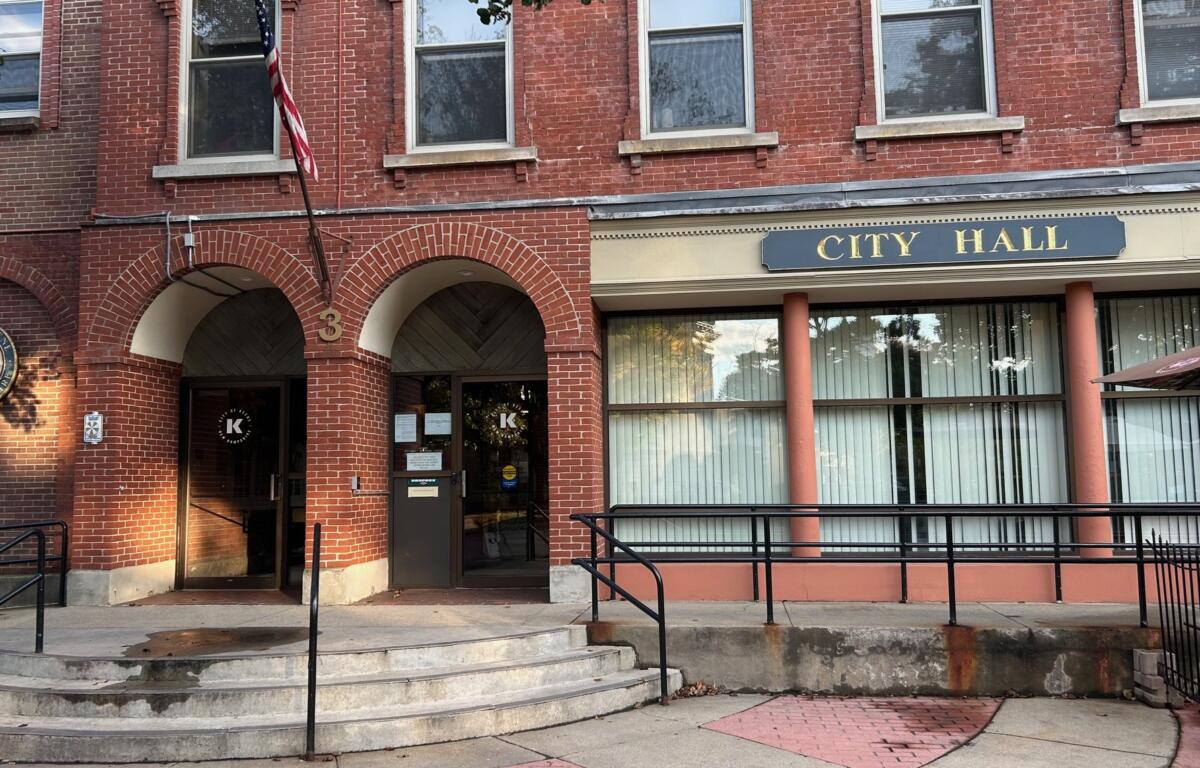

KEENE, N.H. (MyKeeneNow) – Keene’s Downtown Infrastructure Improvement and Reconstruction Project may be scaled back after construction bids came in significantly over budget.
The City Council set a $19 million budget for the project, but when bids were opened in December, the city received two proposals, one totaling approximately $28 million and the other about $30.8 million.
At Wednesday night’s meeting of the Municipal Services, Facilities, and Infrastructure Committee, Public Works Director Don Lussier said his department reviewed the bids in detail and spoke with both bidders, as well as contractors who chose not to submit proposals, to understand the high costs.
Lussier said contractors cited the challenges of maintaining adequate production rates while working in the tight downtown area, which limits how much work can be completed each day and drives up costs. Contractors who declined to bid said they did not believe the work could be completed within the project’s two-year timeline. The project was originally planned over three construction seasons but was reduced to two at the request of downtown business owners. Lussier said the companies that did submit bids likely shared those concerns and accounted for them in their pricing. He later recommended returning to a three-year construction timeline.
The city currently has about $17 million budgeted for the project, with additional funding expected to be appropriated in the Capital Improvement Plan for fiscal year 2027, leaving an overall funding gap of roughly $7 million.
To close that gap, Lussier outlined several elements of the project that could be eliminated, deferred, or modified. His recommendations included reusing existing road base to reduce excavation costs, using temporary pavement, relying on flaggers instead of police officers for traffic control when possible, eliminating lighted bollards at certain high-traffic crosswalks, making granite seating walls bid alternates, and removing other alternates such as trash compactors and the proposed shade structure in Railroad Square. He noted some of these features could be added after construction is complete.
Those changes would save approximately $1.6 million. Lussier cautioned, however, that reusing existing road base could lead to premature pavement failure, and temporary pavement could result in dust and rougher surfaces during construction.
Additional savings could come from deferring certain components until after the project is finished. Lussier said the installation of bike racks, trash receptacles, benches, pay station relocations, gazebo stair modifications, and a new Christmas tree base could all be completed later by Department of Public Works staff. He also recommended handling the Central Square fountain and catenary lighting through a separate contract. Together, those deferments would save about $370,000.
Lussier also proposed several material and design changes, including replacing drainage structures with drop inlets, reducing textured concrete, switching from beveled to straight curb, relocating the field office, and pursuing electrical value engineering. Most notably, he recommended reverting to a three-year contract and easing work restrictions. All of those modifications total an estimated $2.38 million.
The bike lanes have remained a controversial point in the project, and Lussier said that eliminating those would only save about $42,000 and it was not among his recommendations.
Altogether, the proposed eliminations, deferments, and modifications would reduce costs by roughly $4.37 million, still leaving a small shortfall. To close that gap, Lussier recommended reallocating $2.74 million from the city’s fiscal years 2026 and 2027 Road Preservation and Rehabilitation funds, a move that would delay other planned projects. With that adjustment, the project would carry a surplus of just over $61,000.
Lussier warned that delaying the project another year could lead to higher costs and recommended moving forward with the proposed changes and rebidding the project soon, allowing construction to begin in 2026.
While expressing disappointment over some of the reductions, Lussier and committee members agreed the changes were necessary and the committee voted to recommend approval. The proposal now heads to the full Keene City Council, which will take it up at its February 5 meeting at 7 p.m. in council chambers. Meetings are streamed live on the city’s website and YouTube page.