


 Listen Live
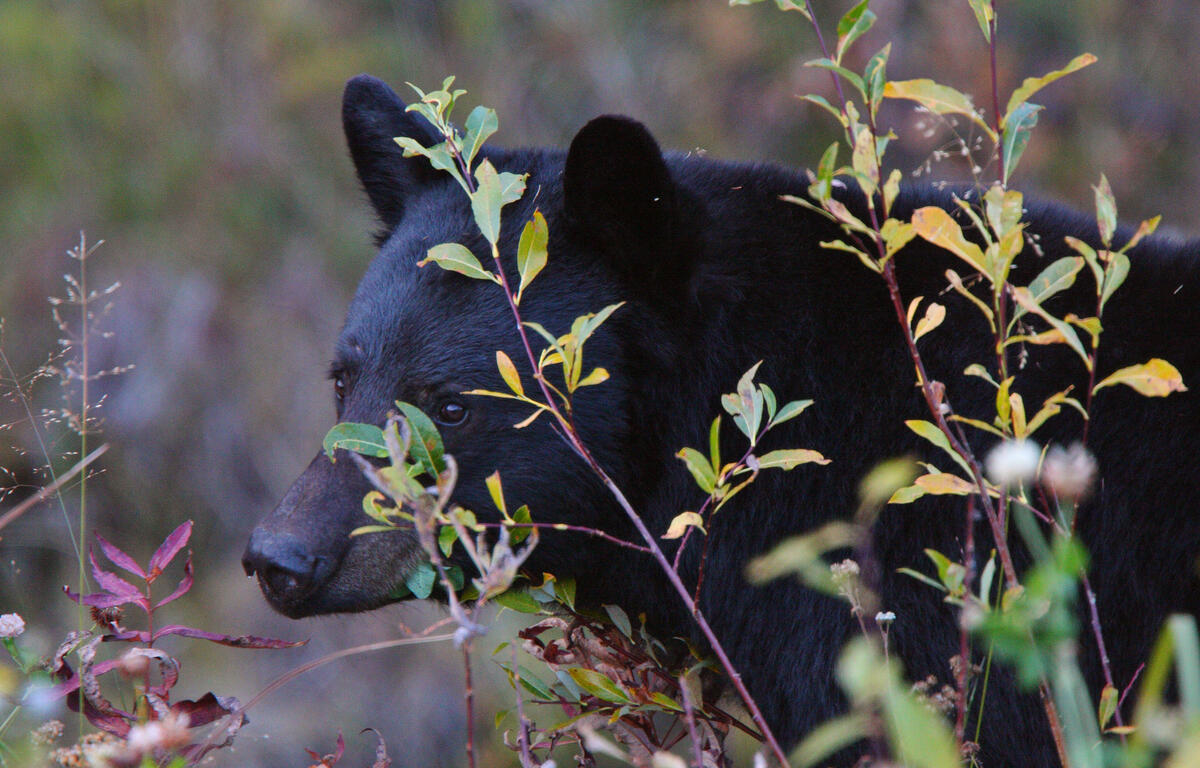

CONCORD, N.H. (MyKeeneNow) As winter loosens its grip across New Hampshire, black bears are beginning to leave their dens and search for food, prompting state wildlife officials to remind residents to limit attractants around their homes.
Early spring offers limited natural food options, making neighborhoods particularly appealing to hungry bears. Items such as bird feeders, backyard chickens, and unsecured trash can quickly draw them in.
Officials recommend removing bird feeders statewide by April 1—or sooner in areas where bears have already been spotted. Those raising chickens, livestock, or bees are encouraged to use electric fencing for protection, especially with the arrival of spring chicks. Residents should also secure garbage, bring pet food indoors, and clean or store grills after use.
Dan Bailey, bear project leader with New Hampshire Fish and Game, said bears entered their dens later than usual last fall due to plentiful food supplies, then remained dormant through the colder months. With recent snowmelt, however, their activity has picked up across the state.
While bear sightings are a normal part of spring in New Hampshire, Bailey said they should serve as a reminder for residents to take precautions.
Wildlife officials stress that preventing access to human-related food sources is the most effective way to reduce conflicts. Bears are highly intelligent, possess a strong sense of smell, and often return to areas where they’ve successfully found food in the past.
Data from Fish and Game shows bird feeders contribute to about 20 percent of reported bear conflicts each year. Unprotected poultry accounts for roughly 27 percent, while unsecured garbage is responsible for about 35 percent.
Bailey said addressing these three major attractants could significantly reduce encounters between bears and people.
Residents can help minimize issues by removing feeders, cleaning up spilled seed, storing trash in secure containers, avoiding meat scraps in compost, and never intentionally feeding bears.
For additional guidance on bear activity, residents can contact the joint USDA Wildlife Services and New Hampshire Fish and Game hotline at 888-749-2327.