


 Listen Live
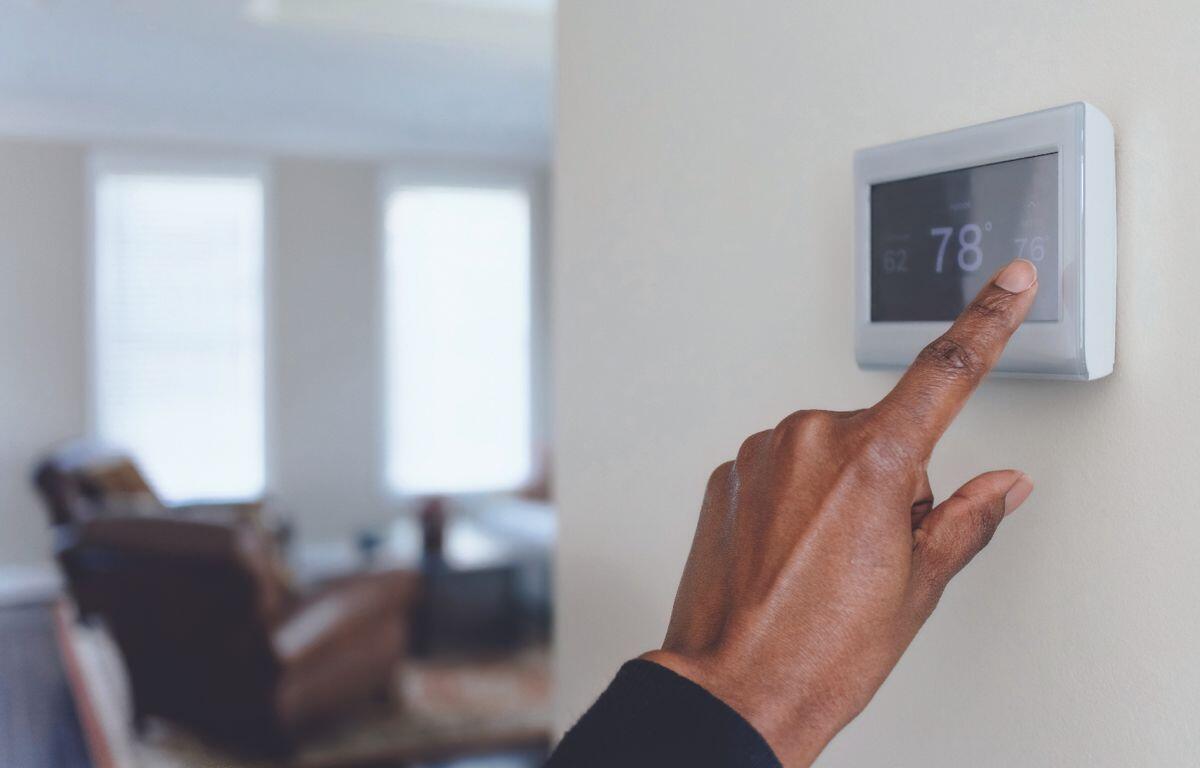

MONADNOCK REGION, N.H. (MyKeeneNow) December is the month when many homeowners first notice that their heating system is running more often, taking longer to warm the house, or using more fuel than expected. These changes can be surprising, especially when utility bills jump from one month to the next. But most of what you’re seeing is normal for New Hampshire winter weather.
Your furnace, boiler, or heat pump is responding to colder outdoor temperatures, longer nights, and higher heat loss throughout your home. The key is knowing what’s normal winter behavior versus what signals a problem, and how to reduce unnecessary strain on the system.
Longer Runtime: Normal in December
Once the outside temperature drops, your home loses heat much faster. Your heating system must run longer to maintain the thermostat setting. This steady, extended runtime is expected and often healthier for the system than repeatedly turning on and off.
Winter Heating Quick-Check List
• Replace your air filter
• Clear vents and baseboards
• Keep thermostat at consistent temps
• Open interior doors to improve circulation
• Watch for short cycling or new noises
• Check outdoor heat pump for ice
• Schedule seasonal maintenance
What feels new is simply the first real stretch of cold weather.
When Longer Runtime Means Trouble
Some signs signal the system is working harder than it should:
• Thermostat can’t reach the set temperature
• Rooms stay cold while others get warm
• Short cycling (system turns on and off quickly)
• New noises or smells
• Home loses temperature quickly on windy days
These issues usually mean the system is losing efficiency or airflow. Common winter culprits include dirty filters, clogged nozzles, weak blower motors, ignition problems, or heat pumps struggling with airflow.
Why Heating Bills Spike Every December
Fuel and electric bills climb for predictable reasons:
• Larger difference between outdoor and indoor temperature
• More hours of darkness, leading to more heat loss
• Increased door traffic during holidays
• Systems running longer to maintain comfort
Even a perfectly functioning system will use more energy in December. But if your bill is dramatically higher than past years, you may have an efficiency issue.
Heat Pumps Behave Differently in Cold Weather
If your home uses a heat pump, you’ll notice:
• Constant operation
• Outdoor unit switching into defrost mode
• Steam rising during defrost
• Occasional humming noises
• Backup heat turning on during freezing temps
All normal.
Not normal: ice buildup, weak airflow, or lukewarm air from the vents. These should be checked quickly to avoid damage.
How Homeowners Can Reduce Heating System Stress
A few simple steps can improve comfort, efficiency, and system lifespan:
- Replace your air filter to maintain airflow.
- Clear vents, baseboards, and returns.
- Keep thermostat settings consistent to avoid overworking the system.
- Open interior doors to stabilize temperature.
- Schedule maintenance to catch early failures.
These small adjustments prevent the minor issues that lead to no-heat emergencies.
A Final Word From Keating
Your heating system is designed to work harder in December. With the right habits and a little awareness, you can keep your home safe, comfortable, and efficient all winter long.
If you’re ever unsure whether your system’s behavior is normal, we’re here to help. A quick call can save a lot of worry and prevent the kind of emergency no homeowner wants to deal with.