


 Listen Live
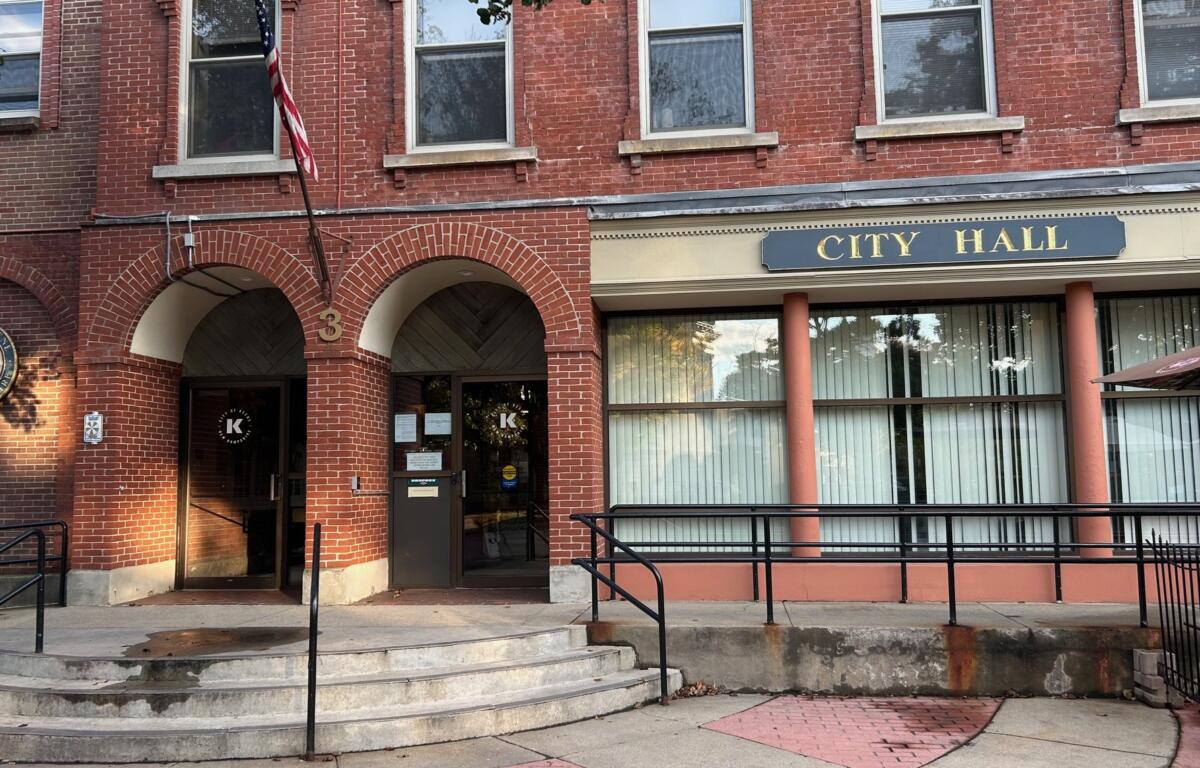

KEENE, N.H. (MyKeeneNow) The Keene City Council has given the green light to a series of cuts, modifications, and deferments for the Downtown Infrastructure Improvement and Reconstruction project in an effort to scale the project down to fit within the city’s budget.
The project had previously gone out to bid and received two proposals, one for approximately $28 million, and another for about $30.8 million. The City Council had budgeted about $19 million for the project.
At January’s meeting of the Municipal Services, Facilities, and Infrastructure (MSFI) Committee meeting Public Works Director Don Lussier said his department reviewed the bids in detail and spoke with both bidders, as well as contractors who chose not to submit proposals, to understand the high costs.
Lussier said contractors pointed to the difficulty of sustaining efficient work in the confined downtown setting, where limited space restricts daily progress and increases costs. Several firms chose not to bid, citing concerns that the project could not realistically be completed within the two-year schedule. The work had originally been planned across three construction seasons but was shortened at the request of downtown businesses, and Lussier said bidders who did participate likely factored those risks into their pricing. He later advised shifting the project back to a three-year timeline.
The city has roughly $17 million currently allocated for the project, with more funding expected in the fiscal year 2027 capital plan, leaving an estimated shortfall of about $7 million.
To help reduce that gap, Lussier outlined a range of features that could be cut, delayed, or revised. Suggestions included reusing existing road base to limit excavation, installing temporary pavement, using flaggers instead of police for traffic control when feasible, removing lighted bollards at some busy crosswalks, and making granite seating walls optional bid items. Other alternates, such as trash compactors and a proposed shade structure in Railroad Square, could also be eliminated, with the option to add them later. Those changes would save about $1.6 million, though Lussier warned they could result in rougher surfaces and dust.
He also identified potential savings by postponing certain amenities until after construction, including bike racks, benches, trash receptacles, pay station relocations, gazebo stair updates, and a new Christmas tree base, with that work handled later by city crews. The Central Square fountain and catenary lighting could be moved to a separate contract, bringing additional savings of roughly $370,000.
Further cost reductions could come from material and design adjustments, such as using drop inlets for drainage, reducing decorative concrete, switching to straight curbing, relocating the field office, and pursuing electrical value engineering. Chief among his recommendations was returning to a three-year construction schedule and loosening work restrictions, with all of those changes totaling an estimated $2.38 million in savings.
Altogether, the proposed eliminations, deferments, and modifications would reduce costs by roughly $4.37 million, still leaving a small shortfall. To close that gap, Lussier recommended reallocating $2.74 million from the city’s fiscal years 2026 and 2027 Road Preservation and Rehabilitation funds, a move that would delay other planned projects. With that adjustment, the project would carry a surplus of just over $61,000.
Lussier warned that delaying the project another year could lead to higher costs and recommended moving forward with the proposed changes and rebidding the project soon, allowing construction to begin in 2026.
The MSFI Committee recommended approval of all of Lussier’s proposals. The matter went before the full city council at their meeting Thursday night, and it passed with very little discussion.
City Manager Elizabeth Ferland said the goal is to get the project back out to bid as soon as possible for about a month, with construction still slated to begin in May.