


 Listen Live
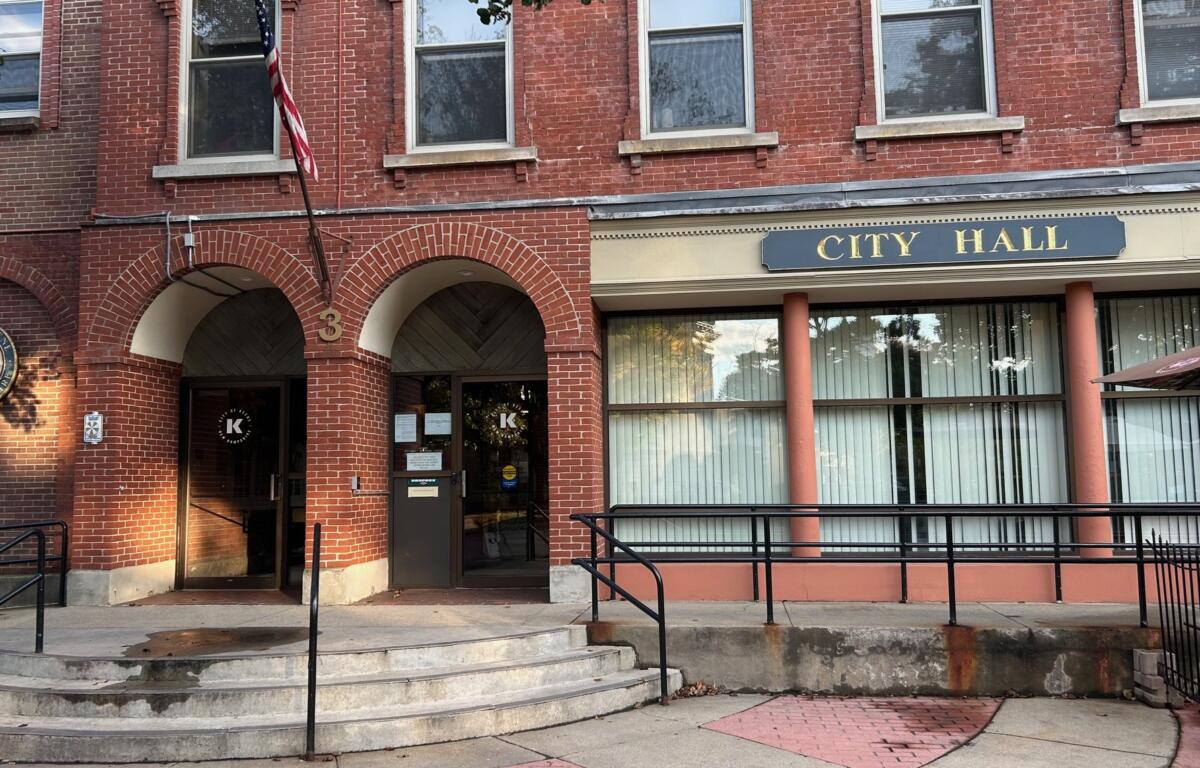

KEENE, N.H (MyKeeneNow.com) Keene’s Planning, Licenses and Development Committee voted unanimously Wednesday night against recommending a zoning change at the intersection of Winchester and Pearl Streets. The proposal would have shifted the area from a low-density district to a commerce district. The full City Council will take up the matter next week.
The decision follows a heavily attended council meeting last week where dozens of residents spoke—most in opposition. Councilor Phil Jones, who chaired the meeting in the absence of Kate Bosely, noted that a previous attempt to rezone Pearl Street was rejected because the northern end, which connects to West Street, is already a “failed intersection,” and additional commercial activity could worsen traffic problems.
“That bothers me. Why would we add more commercial property when there’s more potential for residents?” Jones said. “I don’t think it’s the right thing, at the right time, right now.”
Councilor Andrew Madison, attending his final committee meeting before stepping down at year’s end, said he sees no strong demand for additional commercial space in that part of the city, pointing to several vacant lots farther down Winchester Street. By contrast, he said demand for residential lots is “through the roof.”
“Communities and neighborhoods should be able to make decisions over what goes on in their communities and in their neighborhoods,” Madison said, adding that residents on Pearl Street have told him they do not want their area shifting to commercial use.
Councilor Bobby Williams said he opposed the commerce designation but might support medium-density zoning, which allows certain commercial uses with a conditional use permit. Councilor Ed Haas said the city should focus on addressing affordable housing needs before “immediately leaping into rezoning.”
The committee’s 0–4 vote means it will recommend against the zoning amendment when the full council considers it.
In other business, the committee recommended approval of a community revitalization tax incentive, which would offer temporary property tax relief to owners who rehabilitate qualifying commercial, mixed-use, or residential buildings. The program aims to boost downtown economic activity, preserve historic properties, expand housing, and provide broader community benefits.
The committee also advanced an ordinance regulating the muzzling of vicious dogs, allowing animal control officers to remove a dog from its owner if it has already committed a vicious act and then incurs a second violation within 12 months.