


 Listen Live
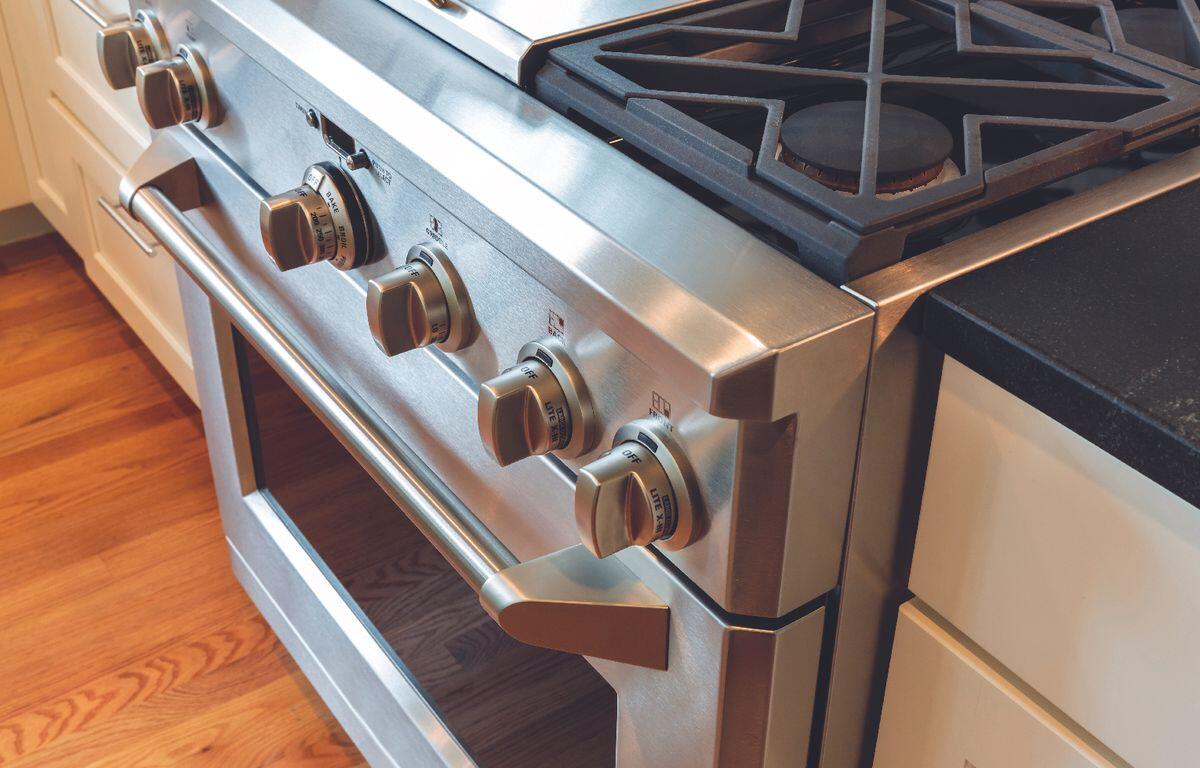

MONADNOCK REGION, N.H. (MyKeeneNow) Choosing the right range involves understanding how different cooking technologies align with your culinary needs, kitchen setup, and household preferences. At Monadnock Appliance, we guide customers through this decision by explaining the practical differences between gas, electric, and induction cooking, helping you select the option that best serves your family’s needs.
Gas Range Benefits and Considerations
Gas ranges offer immediate temperature control and visual flame monitoring that many home cooks prefer. The instant response to adjustment makes gas ideal for techniques requiring precise heat control, such as searing meats or simmering delicate sauces. Gas also continues working during power outages, an important consideration in rural New Hampshire where weather-related outages occur periodically. Gas ranges typically cost less upfront than induction models and work with all cookware types. The operating costs are generally lower than electric, though this varies with local utility rates. However, gas requires proper ventilation and regular maintenance of burner components to ensure safe, efficient operation. Installation considerations include existing gas line availability and proper ventilation requirements. If your home lacks gas service, installation costs can be substantial, potentially outweighing the operating cost advantages.
Electric Range Advantages
Electric ranges provide even heating in the oven compartment, making them excellent for baking enthusiasts. They’re typically the most affordable option initially and work in any home with adequate electrical service. Modern electric ranges offer consistent performance and are easier to clean than gas models, with smooth cooktops eliminating the need to remove and clean burner grates. Electric ranges heat more slowly than gas and retain heat longer after being turned off, requiring adjustment to cooking techniques. They also become unusable during power outages and generally have higher operating costs than gas, though energy-efficient models minimize this difference.
Induction Technology Excellence
Induction cooking represents the most advanced and efficient cooking technology available. Induction cooktops heat cookware directly through magnetic fields, providing precise temperature control that surpasses both gas and electric. Heat response is immediate, rivaling gas for responsiveness while offering superior energy efficiency. Safety features include automatic pan detection and cooktop surfaces that remain relatively cool during cooking. Cleaning is effortless since spills don’t bake onto the surface. Energy efficiency is exceptional, with induction transferring about 90% of energy directly to cookware compared to 40-55% for gas and 65-70% for electric. Induction requires magnetic cookware, which might necessitate replacing some existing pots and pans. Initial costs are typically higher than gas or electric, though energy savings and superior performance often justify the investment for serious home cooks.
Making Your Selection
Consider your cooking style, existing kitchen infrastructure, and household priorities. Gas suits cooks who value immediate control and traditional cooking methods. Electric works well for households prioritizing affordability and baking performance. Induction appeals to those wanting maximum efficiency, safety, and precise control. Evaluate your current kitchen setup, including electrical capacity, gas line availability, and ventilation systems. Our team at Monadnock Appliance can assess your kitchen’s capabilities and discuss any necessary modifications for your preferred range type. Visit our showroom to experience different cooking technologies firsthand.
Understanding how each type feels and performs helps ensure you select the range that will serve your family’s needs for years to come.