


 Listen Live
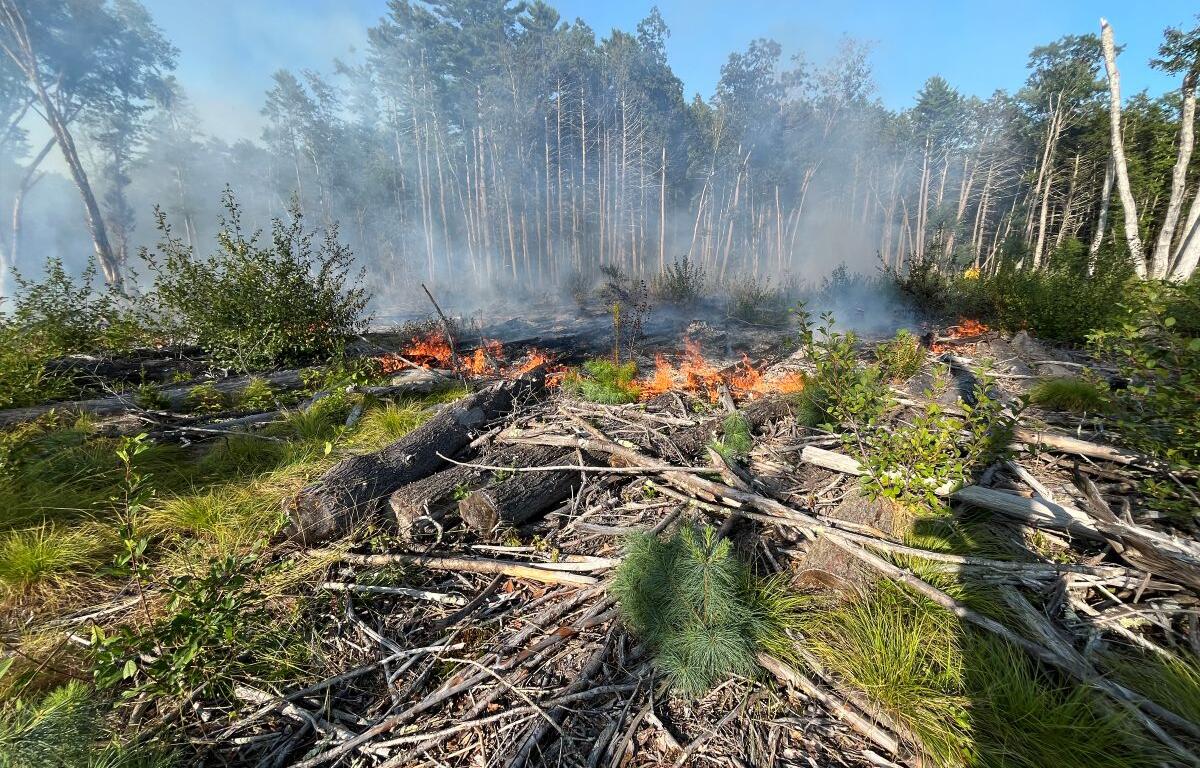

NEW HAMPSHIRE (MyKeeneNow) A lack of precipitation through the early months of 2026 is keeping much of New Hampshire in drought, raising concerns among state officials as wildfire season begins.
From January through March, the state recorded one of its driest starts to a year in more than a century of recordkeeping. According to a news release from the N.H. Forest Protection Bureau, the three-month period ranks as the sixth driest since records began in 1895.
The ongoing dryness follows an already challenging fall fire season in 2025, when conditions became severe enough to prompt a statewide burn ban from Sept. 22 through Oct. 8.
Drought conditions remain widespread. The U.S. Drought Monitor reports that 78 percent of the state is currently classified as experiencing moderate to severe drought, while the National Integrated Drought Information System estimates that about 725,800 residents — roughly half of New Hampshire’s population — are living in drought-affected areas.
State officials say the trend is contributing to an elevated wildfire threat.
“Last year, New Hampshire experienced a 27.6 percent increase in the number of wildfires and a 16.8 percent increase in the number of acres burned due to wildfires,” Chief Steven Sherman said in the release.
“Many homes in New Hampshire are located in the wildland urban interface, which is the area where homes and flammable wildland fuels intermix. Every year New Hampshire sees fires that threaten or destroy structures, a constant reminder that wildfires burn more than just trees,” Sherman said in the release.
With spring conditions typically marking the start of wildfire season, officials are emphasizing prevention. Dead leaves, dry grass and lingering debris from the previous year can ignite easily, particularly during windy periods, though risk tends to lessen somewhat as vegetation begins to green.
To bring attention to the issue, the state has designated April 19 through April 25 as Wildfire Awareness Week, the release said.
Officials are encouraging residents to take steps to reduce fire risk around their homes, such as clearing leaves and pine needles from roofs and gutters and keeping flammable materials like woodpiles and shrubs away from buildings.
“Spring is outdoor clean-up season for lots of us in New Hampshire and doing things like removing leaves and pine needles from roofs and gutters, making sure shrubs, woodpiles and other fuels are kept away from buildings, and – of course – always getting a fire permit before any outdoor burning, all go a long way to making sure wildfires don’t start and, if they do, that they’re more easily contained,” Forest Ranger Katharine Baughman said in the release.
State law requires anyone planning outdoor burning — when there is no snow on the ground — to obtain a fire permit in advance. Permits are issued by local fire departments or online, but only on days when fire danger levels are considered safe.
Human activity continues to be a leading cause of wildfires in New Hampshire.
“Open burning was the source of just about half of the wildfires whose causes were determined in 2025,” Baughman said in the release. “People don’t realize that other behaviors – including equipment and vehicle use and even target shooting – can also cause wildfires, and that puts our landscapes, buildings, ourselves and the state’s forest products industry at risk.”
Beyond public safety, officials noted that wildfires can also have economic consequences. The state’s forest products industry contributes approximately $1.69 billion annually and supports more than 7,000 jobs, according to the release.
With more than 80 percent of New Hampshire covered in forest — one of the highest percentages in the country — officials are urging residents to remain vigilant as the state moves further into the spring fire season.