


 Listen Live
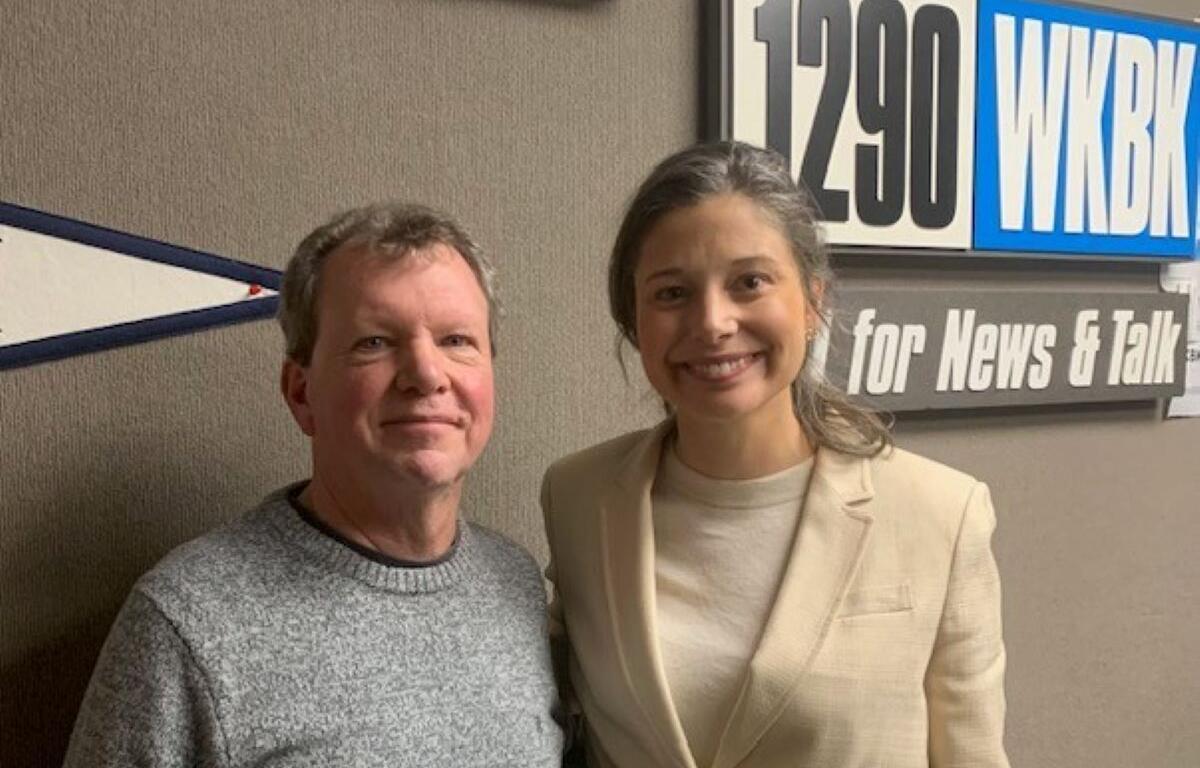

KEENE, N.H. (MyKeeneNow) U.S. Rep. Maggie Goodlander used a Monday appearance on WKBK’s Good Morning with Dan Mitchell to discuss defense spending, the national debt, special education funding and the economic impact of tariffs, while also reflecting on a recent visit to the Monadnock Region.
The New Hampshire congresswoman, who is seeking the Democratic nomination ahead of the state’s Sept. 8 primary, spoke with host Dan Mitchell about several issues facing the state and federal government. The full interview is embedded with this story.
Goodlander began by discussing a recent trip to Keene, where she visited HCS and participated in Meals on Wheels deliveries. She said those visits gave her an opportunity to hear directly from residents dealing with rising costs, including a Korean War veteran.
“What I’ve seen every time I’ve visited Keene in the Monadnock region is a community that really rallies for one another,” Goodlander said.
She described HCS and Meals on Wheels as examples of community organizations filling important roles for residents and said nonprofit groups across the region are under significant pressure.
Questions About Navy Conditions
Much of the interview focused on the military, including Mitchell’s questions about reports concerning conditions aboard the USS Abraham Lincoln and the broader strain on the Navy.
Goodlander attributed the pressure to what she called President Donald Trump’s unilateral decision to wage war against Iran. She said tens of thousands of service members have been placed on alert during the conflict and raised concerns about the well-being of military personnel.
“The Navy is stretched really thin right now,” Goodlander said.
She also questioned whether military leadership has provided Congress with adequate information about the costs of the war and conditions facing service members. She specifically cited concerns involving food, plumbing and mental health aboard the Lincoln.
Goodlander called for greater accountability from Pentagon and Navy leadership, arguing that Congress needs clearer answers about both military operations and the resources being spent.
Pentagon Spending Under Scrutiny
Mitchell also asked Goodlander about the prospect of increased military spending to replace aging equipment and address future defense needs.
Goodlander said Congress cannot properly evaluate defense spending without greater transparency from the Pentagon. She pointed to the department’s longstanding problems with passing a clean audit and questioned the scale and structure of proposed increases in defense spending.
“The Pentagon has never passed a clean audit,” Goodlander said.
She criticized a proposed defense budget exceeding $1.5 trillion and objected to using the budget reconciliation process to add large amounts of defense spending without what she considers sufficient detail about how the money would be spent.
“What we need is more transparency because we can’t get the accountability that the American people deserve without that basic transparency,” she said.
Debt And Federal Priorities
The discussion then turned to the national debt, which Mitchell noted surpassed $40 trillion on Aug. 18.
Goodlander said the growth of the debt reflects choices about federal spending and tax policy. She argued that lawmakers should examine defense spending while also reconsidering tax breaks benefiting large corporations and wealthy individuals.
“Big corporate monopolists do not need a tax. Big oil companies don’t need a tax break. The middle class needs a tax break,” she said.
Goodlander said the issue ultimately comes down to federal priorities and decisions about where taxpayer dollars are directed.
Special Education Funding
Another portion of the interview focused on the potential effect of federal special education funding on New Hampshire property taxpayers.
Goodlander said Congress has fallen far short of a commitment made when the Individuals with Disabilities Education Act was enacted in 1975. Under the federal commitment, Washington was expected to cover 40% of the average per-pupil cost of educating students with disabilities.
Goodlander said federal support has instead remained around 13%, leaving states and local school districts to absorb much of the difference.
She cited an estimated funding gap of more than $92 million for New Hampshire in fiscal year 2020 and pointed to the bipartisan, bicameral IDEA Full Funding Act, which she said has attracted 13 Republican supporters.
“What we’re talking about here is really at bottom. It’s 50 years of broken promises by the federal government,” Goodlander said.
She said restoring the federal commitment would provide additional support to school districts while addressing what she described as a longstanding funding obligation.
Canada Tariffs and New Hampshire Businesses
The interview also touched on the ongoing trade dispute with Canada and its effect on New Hampshire businesses, farmers and consumers.
Goodlander said tariffs are increasing costs and creating additional complications for small businesses already dealing with higher expenses and supply-chain disruptions. She also connected the economic effects of the trade dispute to higher energy costs associated with the war in Iran.
“We know what this is. This is a decision to raise costs for hardworking people here in New Hampshire,” Goodlander said.
Goodlander said her office is helping small businesses pursue refunds for tariffs she described as unconstitutional. She also said she supports the bipartisan Canada Act as part of a broader effort to address the trade dispute.
“Right now, we are working to refund every dollar that was unconstitutionally taxed,” she said.
Goodlander also criticized the president’s use of tariff authority, arguing that Congress and the courts have challenged the administration’s approach.
The interview covered a range of issues as Goodlander campaigns ahead of next week’s Democratic primary. Mitchell closed the conversation by wishing her well in the election and indicating the two would speak again after the primary.
Listen to the full interview: