


 Listen Live
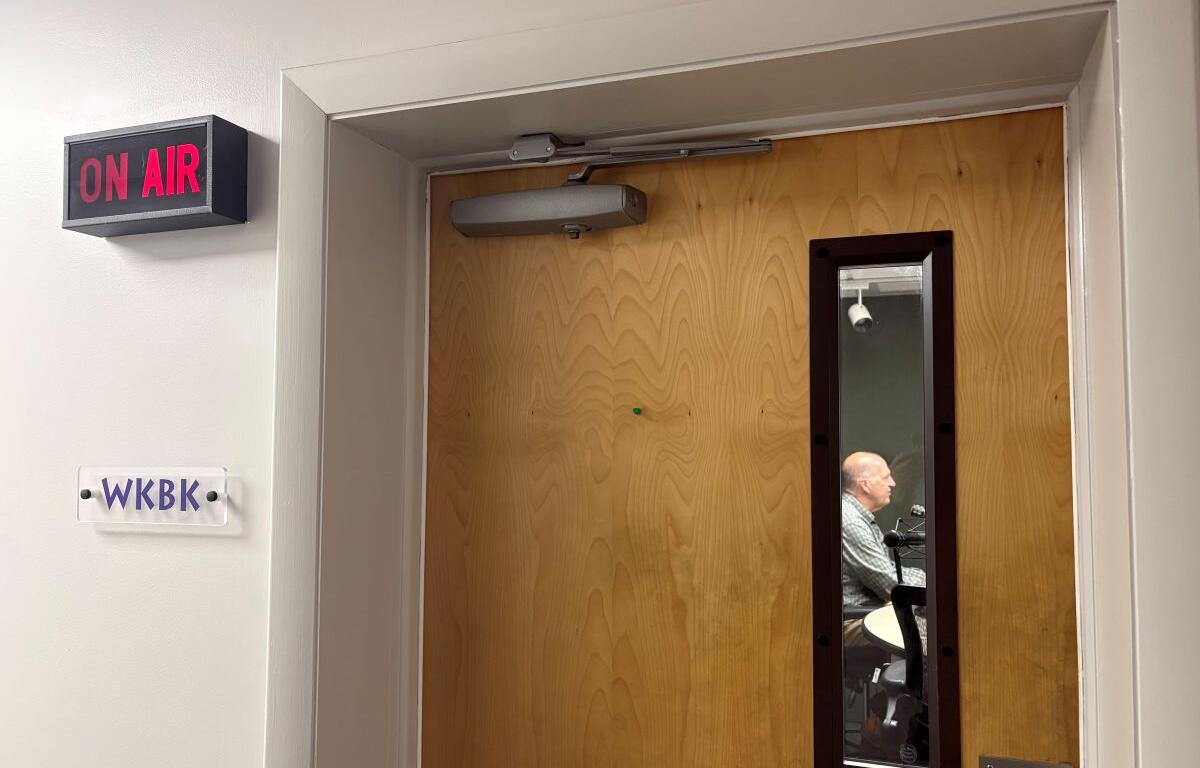

KEENE, N.H. (MyKeeneNow) Republican U.S. Senate candidate John Sununu discussed rural healthcare, national security, federal spending and government accountability during an appearance Friday on Good Morning With Dan Mitchell on WKBK Radio, outlining how he would approach the issues facing New Hampshire and the country if elected Nov. 3.
Sununu emphasized the importance of bipartisan cooperation, local decision-making and restoring congressional authority over policies he said have increasingly been directed by the executive branch and federal agencies.
He also pledged to oppose presidential policies when he believes they would harm New Hampshire, pointing to past disagreements over trade policy, Iran and Russia as examples of his willingness to act independently.
Rural Healthcare a Priority for New Hampshire
Healthcare access in rural communities was a key topic, particularly as New Hampshire faces challenges involving provider availability, rising costs and insurance coverage.
Sununu discussed the planned closure of healthcare facilities, including the Winchester Family Medicine clinic, as an example of the difficulties facing rural communities when staffing and financial pressures threaten access to care.
He pledged to work to direct New Hampshire’s approximately $1 billion in federal rural healthcare funding toward workforce needs and community-based services, including in the Cheshire County region.
Sununu also addressed concerns about Medicare Advantage coverage in New Hampshire after three insurers announced plans to leave the state. He said he would work with the Centers for Medicare & Medicaid Services to address reimbursement rates, waivers and regulatory issues that could affect the availability of coverage.
He stressed the importance of working with federal officials to ensure rural residents can continue accessing the medical services they need.
Forest Management and Local Control
Sununu also weighed in on the management of the White Mountain National Forest, including concerns about road access and the appropriate balance between conservation and public use.
He supports a multi-use approach that allows activities such as timber harvesting, skiing and hunting in appropriate areas while preserving designated wilderness areas.
Sununu argued that forest management decisions should reflect local conditions and the expertise of forest managers and state leaders rather than relying on broad federal mandates.
Mental Health and Public Safety
Discussing mental health in the wake of a shooting in Bend, Oregon, Sununu identified access to mental healthcare as an important part of addressing psychological crises and public safety.
Drawing on his work with the Bipartisan Policy Center, he expressed support for mental health parity, which seeks to ensure that insurance coverage for mental health treatment is comparable to coverage for physical health conditions.
On gun safety, Sununu said there should be a legal process for addressing situations involving individuals with severe mental health conditions. His comments focused on the need to improve mental health services and establish appropriate ways to respond when serious concerns arise.
China, Russia and NATO
Foreign policy was another focus of the interview, with Sununu identifying China as the country’s primary long-term strategic challenge.
He supports using economic measures, including sanctions and tariffs, to counter China’s influence and protect Taiwan. He also discussed the importance of addressing cybersecurity and other national security concerns.
Regarding Russia’s aggression, Sununu criticized the timing of U.S. efforts to impose secondary sanctions, arguing that those measures should have been implemented earlier.
He also called on European allies to assume greater responsibility for confronting Russia through NATO, saying the United States should not bear the burden alone.
Congress, Presidential Authority and Accountability
Sununu argued that Congress needs to reclaim authority over tariffs, regulations and spending decisions that have increasingly been delegated to the executive branch and federal agencies.
He said elected lawmakers should be responsible for establishing policy and providing oversight rather than leaving major decisions to unelected bureaucrats.
The candidate also discussed his legislative experience, including work involving the Patriot Act and internet tax legislation. He said effective lawmaking requires negotiation, relationships and trust across party lines, rather than relying on political rhetoric or social media attention.
Sununu proposed several changes intended to improve accountability in Congress, including term limits, restrictions on stock trading by members and financial consequences for lawmakers during government shutdowns. He also suggested that members of Congress should pay for their own healthcare until broader improvements are made to the system.
On Social Security, Sununu addressed projections that the program’s reserves could be depleted by 2034. He called for bipartisan action to preserve the program’s solvency without cutting benefits.
He also criticized the country’s spending levels as the national debt approaches $41 trillion, arguing that Congress must take greater responsibility for fiscal policy. Sununu criticized Democratic U.S. Senate candidate Chris Pappas over what he described as a lack of legislative proposals addressing the debt and inflation.
AI Regulation and Local Infrastructure
Sununu said Congress, rather than unelected federal officials, should establish the rules governing artificial intelligence as the technology continues to affect the economy and workforce.
He identified cybersecurity, fraud prevention and workforce retraining as areas requiring attention. He also called for modernizing training programs to help workers prepare for jobs that may change or disappear as AI adoption expands.
The growth of data centers was another concern. Sununu said local communities should have a meaningful role in decisions about such developments, particularly when they could place additional demands on electricity supplies and water resources.
Looking Ahead to November
As the Nov. 3 election approaches, Sununu framed the contest as a decision about the country’s future direction and reiterated his commitment to representing New Hampshire independently of party pressure.
He said his approach would emphasize practical legislative work, bipartisan negotiations and policies tailored to the state’s needs.
Sununu closed the interview by noting upcoming campaign stops in Swanzey, Charlestown and Newport.
Listen to the full interview: