


 Listen Live

WINCHESTER, N.H. (MyKeeneNow) The Winchester Wildlife Rehabilitation Center is caring for roughly 500 injured and orphaned wild animals each year, but director Deb Gode says the nonprofit depends heavily on donations, volunteers and community support to keep up with demand.
Gode discussed the center’s work during an interview on WKBK’s “Open Mic” program with host Sean Patrick, who filled in for Dan Mitchell. The conversation offered listeners a look at the often unseen work involved in returning injured wildlife to the wild — and the challenges facing one of the region’s few licensed rehabilitation facilities.
Gode has been rehabilitating wildlife in Winchester for 25 years. The center is licensed to care for both mammals and birds and holds state and federal permits, allowing it to take in animals ranging from hummingbirds to bobcats.
She said the region has relatively limited rehabilitation capacity, with another comparable facility in Henniker and Keene also providing mammal rehabilitation services.
“You must be licensed to have any wildlife in New Hampshire,” Gode said.
The center’s work is supported by a small group of dedicated volunteers, including Denise Hood, who has volunteered for about six years and specializes in working with raccoons. Gode said Hood cares for roughly 25 raccoons each year.
Volunteer Todd Little brings a construction background and a particular interest in raptors. Gode described how Little recently built a wheelchair and small shoes for a barred owl that suffered two broken legs after being struck by a vehicle.
The owl underwent surgery in Marlborough. Although the bird has recovered enough to move around with assistance, nerve damage means it cannot be returned to the wild.
“She’s still with us. She’s going to be an educational owl,” Gode said.
Nancy Little also assists the organization, particularly with media and storytelling.
The center recently received support through a fundraiser at Jimmy Tempesta’s Hometown Pizzeria in Swanzey. Gode said the proceeds will help fund construction of a 50-foot flight cage, an important addition for the center’s raptor rehabilitation work.
Gode said the center receives about 30 barred owls each year after vehicle strikes. Even after an injured bird’s bones have healed, it needs to rebuild the strength and flying ability necessary to survive in the wild.
“They need that workout before we put them back to where they came from,” she said.
Gode said the center frequently returns adult animals to the location where they were found because they already know the territory and available food and shelter. Younger animals may sometimes be released into suitable habitat elsewhere.
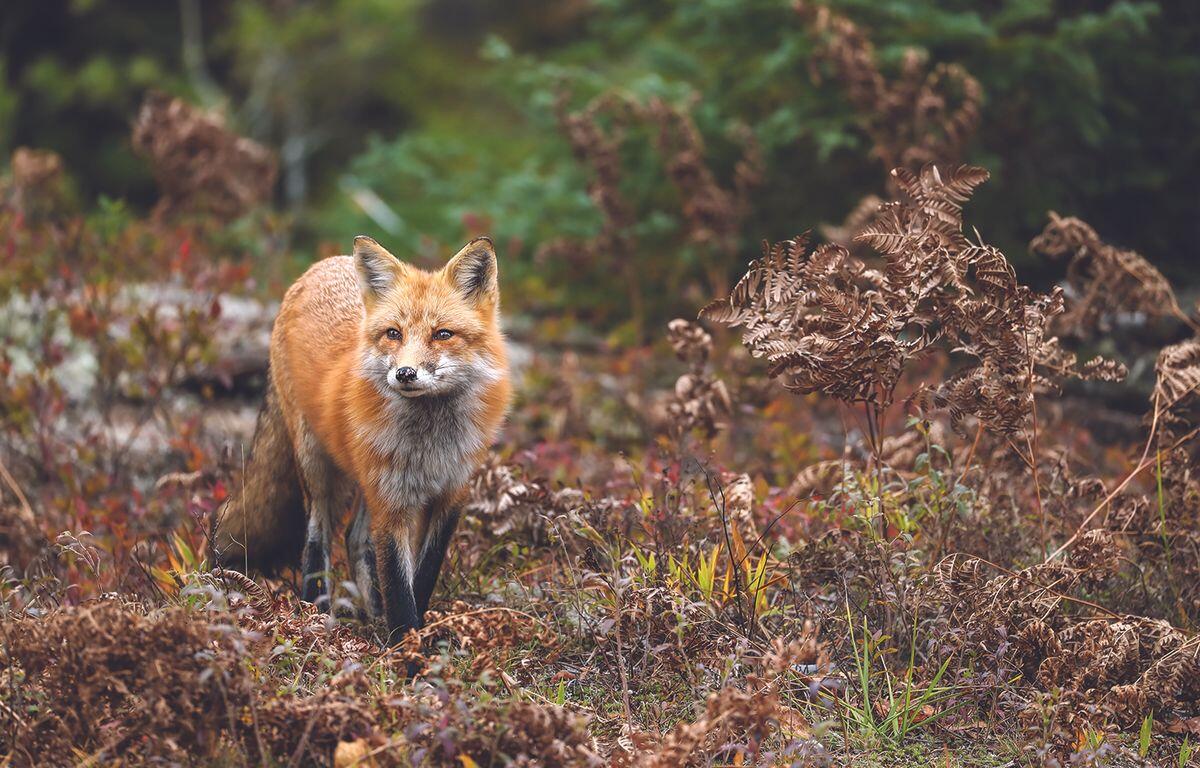
The facility includes outdoor enclosures for animals such as red and gray foxes, opossums, raccoons and skunks, as well as spaces for young raptors. Gode said some young barred owls become free-flying while still returning for food, much as they would while being raised in the wild.
For residents who encounter injured wildlife, Gode stressed that the first priority should be safety — for both the person and the animal.
She recommends using gloves or a towel if it is necessary to handle an animal and contacting the rehabilitation center for instructions rather than attempting to determine on their own what the animal needs.
The interview also touched on several common misconceptions about wildlife.
Gode explained that young coyotes and foxes can temporarily appear unusually comfortable around people. That behavior does not necessarily mean an animal is sick or dangerous. As young animals mature and begin hunting with adults, they generally become more wary of people.
She described foxes as “cat-like dogs,” noting that they are members of the canid family but have several catlike characteristics. Gray foxes, for example, have semi-retractable claws and can climb trees.
Skunks, meanwhile, generally give warnings before spraying.
“Skunks are actually very polite,” Gode said, explaining that they may stamp their feet when frightened or nervous as a warning before spraying.
Gode also addressed one of the most persistent myths about porcupines: They do not throw their quills. Instead, porcupines rely on their quills as a defensive mechanism when threatened.
Running a wildlife rehabilitation center is emotionally demanding as well as physically intensive. Gode said volunteers must understand that not every animal brought through the doors can be saved.
“It’s very rewarding” when an animal can be returned to the wild, she said, but volunteers also need to be prepared for difficult outcomes.
Because the center handles potentially rabies-vector species including raccoons, skunks and foxes, volunteers are required to receive pre-exposure rabies vaccinations.
The center also relies on donations of everyday supplies and natural food. Gode said acorns are particularly useful because they provide a high-protein food source for many animals. Apples, paper towels and cage shavings are also regularly needed.
Despite the challenges, Gode said the people who bring injured animals to the center play an important role in the rehabilitation process.
“You’re really the hero,” she said, referring to members of the public who take the time to help injured wildlife. “Those are really, really the heroes.”
The Winchester Wildlife Rehabilitation Center can be reached at 603-239-7338. Gode said the center is especially busy during the summer, so callers who do not reach someone immediately should leave a message.
More information about the center and ways to support its work is available at WinchesterWildlife.org.
Listen to the full interview: