


 Listen Live
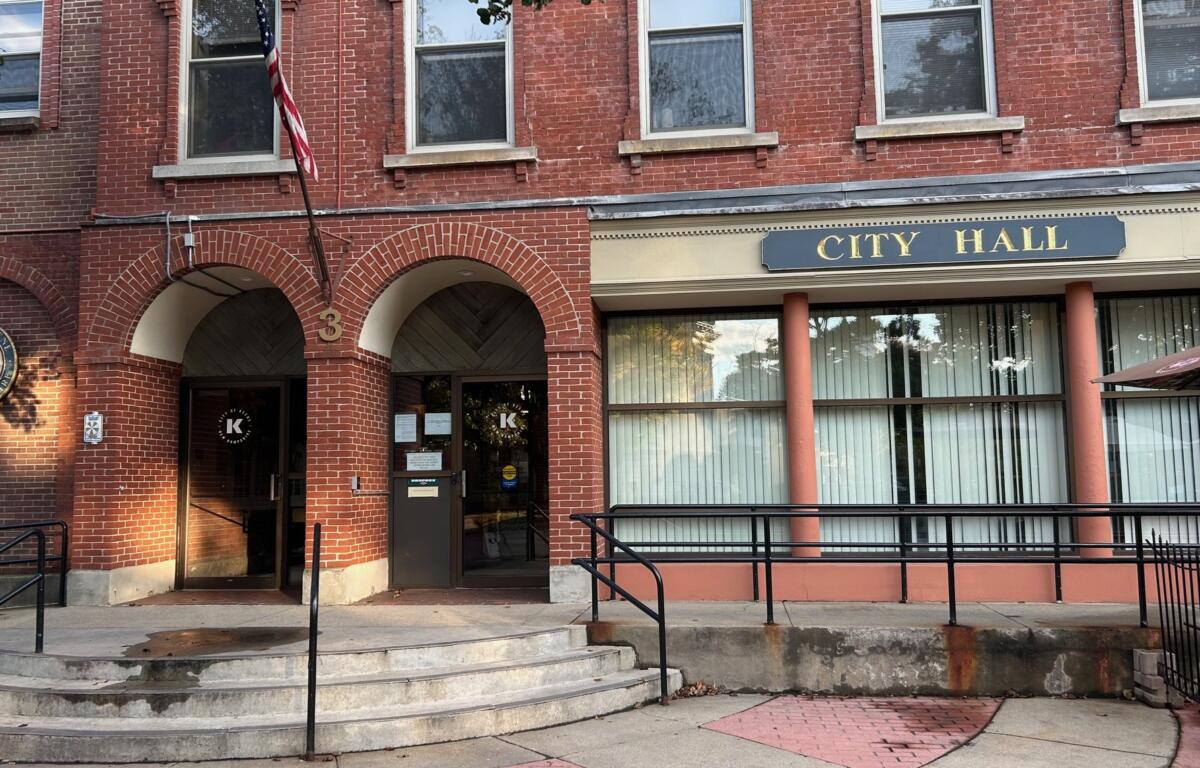

KEENE, N.H. (MyKeeneNow) The Keene Finance, Organization and Personnel Committee on Thursday moved forward with the next steps for the city’s long-planned downtown infrastructure improvement project, as officials outlined how they intend to fund a $26 million construction bid without increasing the local tax rate.
City Manager Elizabeth Ferland told councilors the latest round of bids came in significantly lower than proposals received in December after the city scaled back portions of the project.
“The lowest bid, which was from Casella, was $2 million less than the bids in December,” Ferland said during the meeting. “We were hoping it would be lower than that, but it is lower.”
The committee authorized negotiations and execution of a contract with Casella Construction following a recommendation earlier this week from the Municipal Services, Facilities and Infrastructure Committee.
Ferland also outlined the city’s proposed funding strategy for the downtown project, which combines money from the General Fund, water and sewer enterprise funds, previously appropriated project balances and existing fund balance reserves.
According to city officials, approximately $2.32 million in unused balances from completed capital projects would be redirected into the downtown project through an upcoming Finance Committee resolution. The city also plans to use roughly $1.2 million from existing fund balance reserves rather than issuing additional debt.
Ferland said officials considered further bonding but ultimately decided against increasing the city’s debt obligations.
“The city’s overall bonding levels are already increasing,” Ferland said, explaining why administrators favored using available reserves instead.
She added that the proposed funding approach would not raise the tax rate because the fund balance exists outside the annual operating budget and the project reallocations involve money already appropriated for prior capital work.
“Those actions will not impact the tax rate because the fund balance is outside of the budget,” Ferland said. “And then the movement of the funds available in the projects is already allocated money.”
An updated downtown infrastructure capital plan was also presented during the meeting, showing available funding sources, proposed reallocations and anticipated Fiscal Year 2027 contributions broken down among general fund, water and sewer accounts. Officials said additional resolutions tied to the funding plan are expected to come before the Finance Committee and full City Council in the coming weeks.
Along with the downtown project discussion, the committee advanced several grant-related items and budget requests.
Committee members recommended accepting a $3,800 passthrough grant from the New Hampshire Humanities Council to support two community-building programs in Keene. The funding includes support for a facilitated “Community Conversation” event and a larger follow-up gathering intended to increase participation through food, childcare and related assistance.
The committee also approved a $2,500 AARP Community Challenge capacity-building grant to help conduct bicycle and pedestrian audits tied to the city’s Bicycle and Pedestrian Master Plan update. The audits will focus on senior accessibility and safety concerns and are expected to take place between June and December.
Officials additionally authorized a technical assistance agreement with the Southwest Region Planning Commission connected to the Ashuelot Green Space project. The agreement is expected to leverage roughly $35,000 in donations into as much as $105,000 in design services.
The committee also recommended accepting an approximately $80,000 Recreation Trails Program grant for a planned pedestrian trestle bridge along the Ashuelot Rail Trail. Staff said revised state procedures now require technical reviews and permits before grant approval, extending the anticipated project timeline into September 2027.
Other approved items included a $2,500 HealthTrust wellness grant for employee wellness programs and a $7,197 Hazardous Materials Emergency Preparedness grant to purchase a training simulator for hazardous material emergency response exercises.
The committee additionally backed a proposed ordinance change that would allow the city to charge 12% annual interest, compounded monthly, on overdue utility bills in order to align city policy with state law.
Public Works Director Don Lussier told councilors the city currently has more than $1 million in overdue utility accounts receivable and said the change is intended to encourage customers to stay current on payments while reducing long-term delinquent balances.
During broader budget discussions, city departments also presented supplemental funding requests for outside legal services, utility appraisal work, audit preparation, employee recognition efforts and parking operation electricity costs.
Police Chief Steve Stewart told councilors the department currently has six vacancies, though two recruits are attending the police academy. Additional staffing recommendations are expected later this month.
The Fire Department also discussed continued overtime pressures and the possibility of adding four firefighters — one per shift — in the upcoming fiscal year budget. Fire officials said the additional staffing could help reduce overtime costs and improve coverage levels. A more detailed staffing recommendation and budget analysis is expected to return to the committee May 28.