


 Listen Live
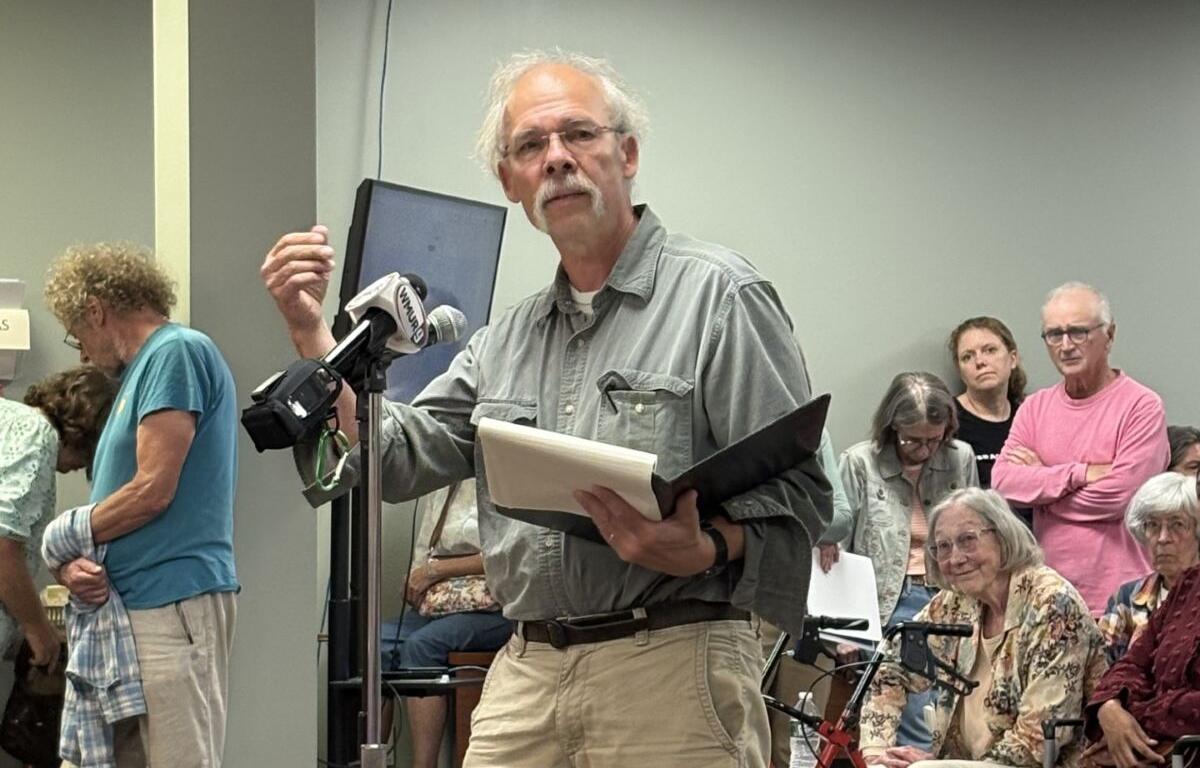

KEENE, N.H. (MyKeeneNow) A special Keene City Council workshop Monday night became an emotional discussion about fear, trust and the limits of local government as residents urged city officials to do more to protect immigrant families following recent Immigration and Customs Enforcement activity in the city.
The council chamber was filled for the workshop, with an overflow room on the first floor of City Hall opened so additional residents could watch the proceedings on a screen.
Speaker after speaker (about 30 total) in the 90-minute slot they were allotted by the Council described fear among immigrant families, concerns about the conduct and identification of federal agents, and frustration with what some residents said was a lack of timely information from local officials.
Only one person who spoke during the public comment portion expressed support for ICE and its enforcement efforts. The overwhelming majority of speakers urged the city to find ways to protect immigrant residents and families while remaining within the legal limits imposed on local government.
The workshop was not a formal council meeting, and no votes were taken. Mayor Jay Kahn said the purpose was to clarify the city’s role and limitations, identify resources for residents affected by immigration enforcement and give the community an opportunity to speak directly to its elected officials.
‘I Can’t Think Of a Time When I Have Been More Frightened’
Some of the evening’s most emotional testimony came from longtime Keene residents describing what they said was a profound change in the sense of safety within the community.
Sandra Whippie of Keene, who said she has lived in the community for a very long time and recently turned 90, told councilors she could not remember a time when she had been more frightened.
“I can’t think of a time when I have been more frightened,” Whippie said. “Our families, particularly immigrant families, are literally frightened to be in our community, and they have reason.”
Steve Schuch of Hancock said some of the immigrant families he knows and loves have gone into hiding following the recent ICE activity.
“They have felt absolutely terrorized by what happened,” Schuch said.
He said people who came to the region hoping to build new lives are now considering giving up on those plans.
“I don’t think we want them to be afraid to go anywhere in this city,” Schuch said, “and yet they are.”
Steve Lindsey, a lifelong Keene resident who lives on Franklin Street, said the issue is especially personal because he lives across the street from the roofer who was taken into ICE custody.
Lindsey described seeing the man move into the neighborhood with his family, including young children, and build a business with a hard-working crew.
“I’ve never seen people try to fulfill the American dream as much as he did,” Lindsey said. “He was improving our community until this situation erupted.”
Councilors Discuss Fear and The Future of Keene
Councilors also spoke about the impact of the recent enforcement activity.
Councilor Laura Tobin said the situation had made her consider whether she would need to carry proof of citizenship when she is out in public.
“But I don’t have to because I’m white,” Tobin said. “I don’t have brown skin, and so I don’t have to worry about that. And I don’t think that’s okay.”
Tobin said perceptions of safety are affecting the culture of the region, regardless of how many people have actually been detained.
Councilor Kris Roberts said the city also needs to consider how the controversy could affect Keene’s future.
“What are we going to do to tell people of color that Keene is a welcome and safe place?” Roberts asked.
Roberts said the city cannot simply point to legal restrictions and stop there.
“If it’s not welcoming, no one is coming,” Roberts said. “We need young people of all colors to come here.”
Residents Question Police Relationship With ICE
A significant portion of the workshop focused on what role, if any, Keene Police should play when ICE agents conduct operations in the city.
Police Chief Steven Stewart said ICE agents recently came to the police station, checked in with dispatch and said they would be conducting investigations in Keene. The agents then used the police station parking lot as a staging area before leaving for other locations.
Stewart said the department’s firsthand knowledge of the federal activity was limited.
He said Keene officers treat everyone fairly and with dignity regardless of immigration status and do not ask crime victims or witnesses about their immigration status.
If ICE requests information the department lawfully possesses, Stewart said police will provide it. He also said officers would respond if federal agents requested assistance during an emergency.
Stewart said he would not issue a blanket condemnation of federal agencies or prohibit them from using police property.
That response prompted questions from residents about the distinction between legally required cooperation and voluntary assistance.
Speakers asked what information the police department collects about federal agents and their vehicles, whether residents can request identification and whether the city can establish clearer rules for federal agents using municipal property.
Some also questioned how personal property belonging to people detained by ICE is handled.
Kahn Supports Objections to Masked, Unidentified Agents
Mayor Kahn said he believes city officials can take a stronger position on one concern raised repeatedly during the workshop: federal agents who are masked or otherwise difficult to identify.
“I think the objections to masked and unnamed, without proper badges, authority present in our community or in any place in our country is something to be objected to,” Kahn said.
He said he would personally have no problem advocating for such a position and suggested Keene could join other communities that have already raised similar concerns.
Kahn also questioned the lack of clarity in state law regarding what constitutes obstructing or impeding federal investigations.
He said the city should work with state lawmakers to clarify the law rather than leave municipalities trying to determine the boundaries on their own.
“We need to proceed in unison with other cities,” Kahn said.
Kahn also acknowledged the challenge facing local law enforcement as expectations surrounding policing evolve.
“I think the goalposts on policing have moved,” he said. “If these goalposts are moving, can we move with them and create some guidance and clarity?”
City Attorney Explains Legal Limits
City Attorney Amanda Palmeira told the council earlier in the workshop that federal immigration enforcement is subject to federal authority and that the Supremacy Clause limits the ability of state and local governments to interfere.
She also cited New Hampshire statutes that restrict municipalities from obstructing federal immigration enforcement or adopting policies that prevent communication and cooperation with federal agencies.
Palmeira noted that Keene has not entered into a 287(g) agreement, which would allow local law enforcement officers to perform certain immigration enforcement functions under federal authority.
Keene’s mutual-aid agreement with other Cheshire County police departments does not create a formal relationship with ICE or other federal agencies.
The city’s council-manager form of government also limits what the council can directly order operationally. The council establishes municipal policy, while City Manager Elizabeth Ferland oversees city administration and the police chief retains independent law-enforcement authority.
Trust Becomes a Major Theme
Several residents told councilors they had lost trust in local government because they believed officials had not provided enough information about recent ICE activity.
Councilor Laura Ruttle-Miller responded directly to those concerns.
“To the person who said that they lost trust and transparency in your government, I’m so sorry that you feel that way,” she said.
Ruttle-Miller urged residents to continue communicating with councilors, emphasizing that elected officials are also members of the community.
“Please don’t feel like you can’t trust us,” she said. “We are your neighbors.”
She added, “Please just know that we stand with you.”
Resources and Community Support
The workshop also highlighted resources available to residents affected by immigration enforcement.
Mariana Adame de Vreeze, chief of staff for U.S. Rep. Maggie Goodlander, appeared remotely and said the congresswoman’s office can help constituents seek information from federal agencies about detained family members, including their location and status.
The city also directed residents toward immigration resources from organizations including the National Immigration Law Center and the ACLU.
Project HOME and other local mutual-aid efforts were discussed as sources of support for immigrant families.
Residents also raised the possibility of the city helping publicize a GoFundMe campaign established to assist families affected by recent ICE raids. No decision was made on that proposal.
Ferland Outlines Possible City Response
City Manager Elizabeth Ferland said city staff will use the council’s break to examine the concerns raised during the workshop and determine what can be addressed locally.
Ferland said she had already contacted the fire chief and deputy chief about improving identification of a black SUV with a red light that had generated questions during recent activity.
She said she would work with the police chief, city attorney and other advisers to distinguish between issues the city can address administratively, matters under the police chief’s authority and issues outside municipal jurisdiction.
Possible steps include clearer public information, reviews of city policies and procedures, administrative changes and coordination with outside agencies and community organizations.
The city also plans to make federal immigration resources more accessible through its website and other communication channels.
Kahn Calls for Follow-Through
Kahn emphasized near the end of the workshop that Monday night’s discussion should lead to further work rather than simply end with the meeting.
“What I also don’t want to see is that we are dormant on following up with folks,” Kahn said.
He directed Ferland to continue working with city staff, the city attorney and police chief on the issues raised by residents.
“When we get back together again on September 17, that’s an opportunity to hear back from you and see where we take it from there,” Kahn said.
The mayor said he hoped there would be no further incidents before then but stressed the importance of continued work in the meantime.