


 Listen Live

KEENE, N.H. (MyKeeneNow) Keene officials are moving forward with a proposal to formally regulate short-term rentals, including properties listed on platforms such as Airbnb and VRBO, following a public hearing Thursday night before the City Council.
The proposed amendment to the city’s Land Development Code would define short-term rentals as a dwelling, or part of a dwelling, offered for compensation for fewer than 30 consecutive days. It would establish standards for where the rentals can operate and what property owners must do to address neighborhood concerns.
During Thursday’s hearing, Community Development Senior Planner Mari Brunner explained that the proposal is intended to address a gap in the city’s zoning regulations following changes to the state’s legal definition of family. Previously, some short-term rentals could operate under the city’s residential-use rules. The state law changes prompted the city to consider short-term rentals as a separate use.
Brunner said city staff identified approximately 80 active short-term rentals in Keene over the past year. That represents less than 1% of the city’s housing supply.
Short-term rentals have operated in Keene for years without a specific local definition or dedicated set of zoning standards. Staff have recommended a measured approach, allowing the use to continue while establishing basic requirements and monitoring the market for changes that could warrant additional oversight.
Under the proposal, short-term rentals would be permitted in 15 zoning districts, including residential neighborhoods, downtown areas and commercial zones.
The ordinance distinguishes between hosted rentals, where the owner or lessee lives at the property as their primary residence, and non-hosted rentals, where that is not the case.
Properties in residential districts would be required to maintain the residential appearance of the dwelling and lot. Non-hosted rentals would also have to post contact information for an owner or property manager who can respond to concerns. The proposal calls for a contact who can reach the property within an hour to address emergencies.
The city has previously reported relatively few complaints about short-term rentals compared with traditional long-term rental properties. Existing complaint and enforcement procedures would remain available to address issues such as noise and parking.
The proposed ordinance does not establish a citywide licensing or registration program for short-term rentals.
Public feedback gathered earlier this year through a FlashVote survey showed a range of opinions. Some residents expressed concern that short-term rentals could reduce the availability of long-term housing or affect neighborhood character, while others cited tourism, visitor spending and additional lodging options as benefits.
More than 100 survey respondents supported allowing short-term rentals as long as nuisance issues were addressed and existing rules enforced. The survey also found substantial support for requiring local contact information at non-hosted properties.
The city plans to continue monitoring short-term rental activity to determine whether further regulation is necessary as the market evolves.
Written comments on the proposed ordinance will be accepted until 1 p.m. Tuesday, Nov. 10. The matter is scheduled to return to the City Council’s Planning, Licenses and Development Committee on Nov. 12.
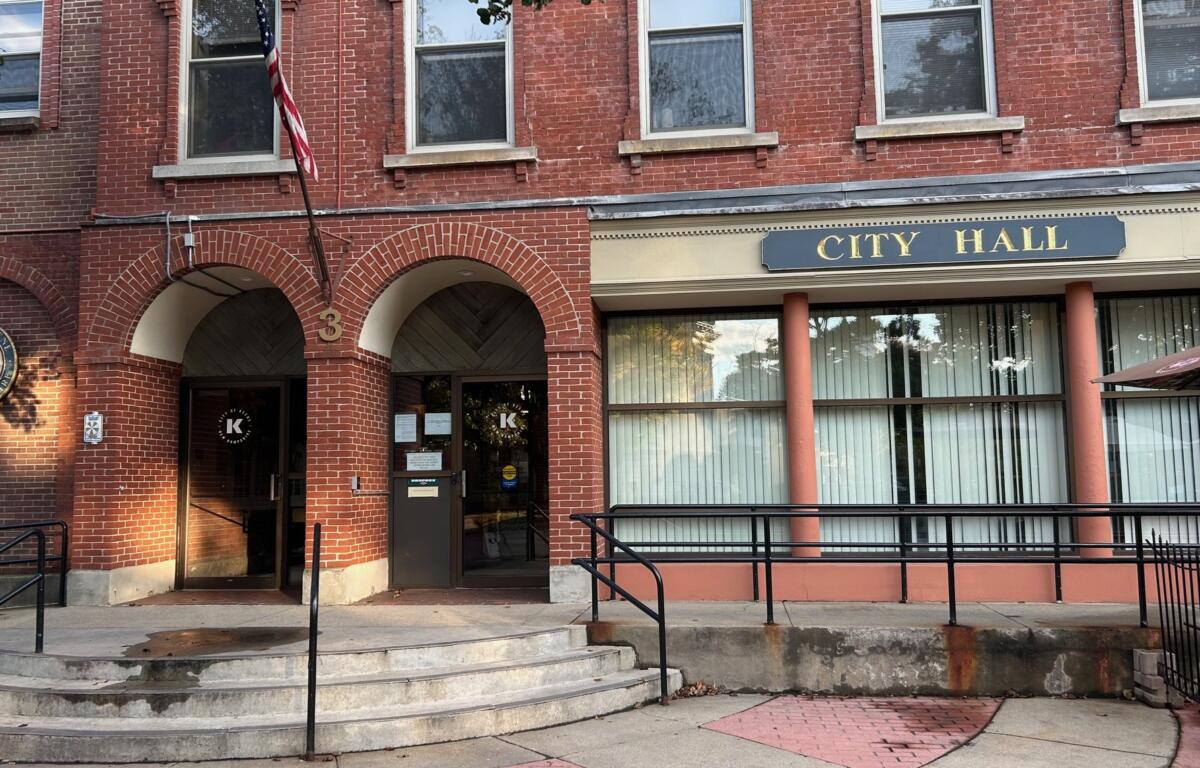
The full ordinance is available for review at the City Clerk’s Office at 3 Washington St. during regular business hours.
Council also hears housing revitalization proposal
Thursday night’s meeting also included a public hearing on a Residential Property Revitalization Zone application for 128-130 School St.
The applicant proposes converting an underused barn or garage on the property into a one-bedroom apartment of approximately 686 square feet. The addition would bring the property to three residential units without requiring construction of a new principal building.
The project meets several program criteria, including the property’s age, its connection to municipal water and sewer, and a proposed investment exceeding the $50,000 threshold.
City staff identified the additional housing as a public benefit, noting that reusing an existing structure aligns with the city’s comprehensive master plan.
The application is expected to go before the Finance, Organization and Personnel Committee on Nov. 12 for consideration of eligibility, public benefit and the duration of any potential tax relief. Written comments will be accepted through Nov. 10.