


 Listen Live

KEENE, N.H. (MyKeeneNow) Air quality scientist and Keene State College Professor Emerita Dr. Nora Traviss encouraged Monadnock Region residents to take simple, practical steps to protect themselves from unhealthy air during an interview Monday morning on WKBK Radio’s Good Morning with Dan Mitchell.
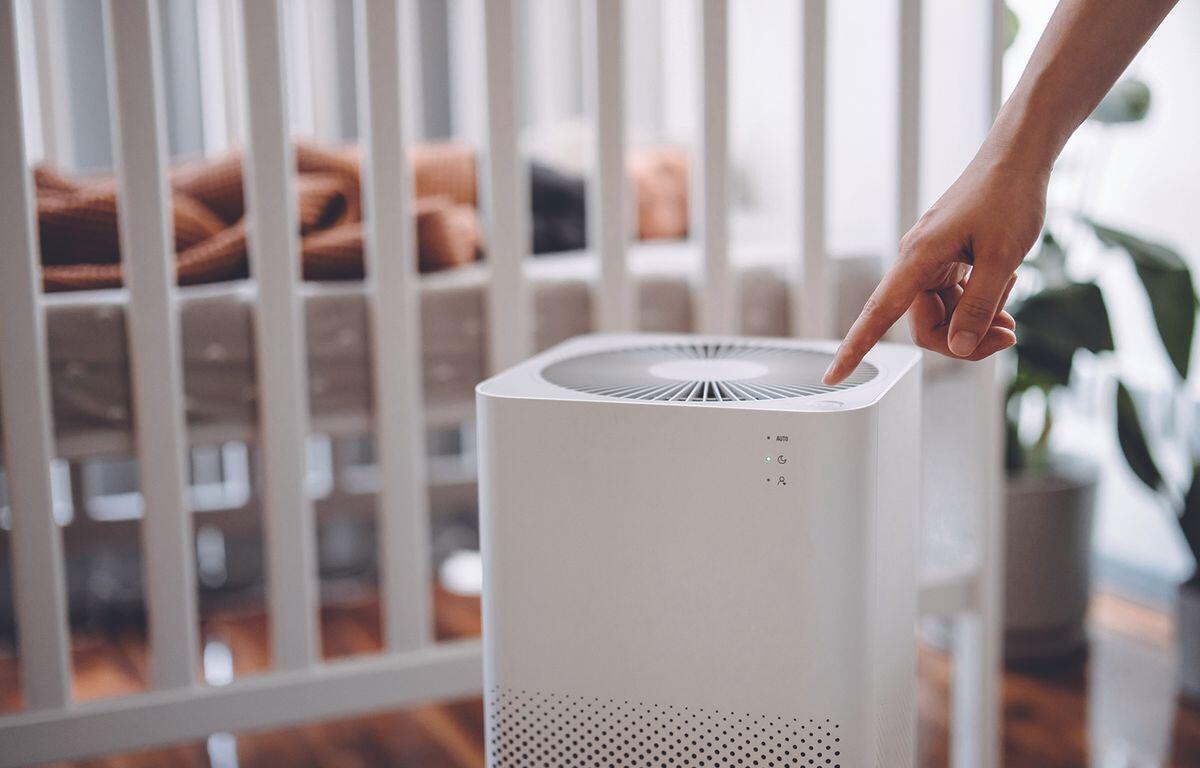
Traviss, whose career has spanned chemical engineering, environmental health and public health research, said improving the air people breathe indoors can have an immediate impact on their health. She pointed to portable HEPA air cleaners and inexpensive do-it-yourself Corsi-Rosenthal filtration boxes as effective ways to reduce exposure to smoke, allergens and even airborne viruses. She said the same filtration principles that helped protect students and staff during the COVID-19 pandemic also work against everyday air pollution.
The discussion came as smoke from wildfires burning in Canada and Minnesota has periodically drifted into New Hampshire this summer. Traviss explained that fine particulate matter found in wildfire smoke poses the greatest health concern because the microscopic particles can travel deep into the lungs and even enter the bloodstream.
To limit exposure during smoky conditions, she recommended creating a “clean room” in the home—ideally a bedroom—with windows closed and a portable air cleaner operating. She also advised motorists to switch their vehicle ventilation systems to recirculation mode so outside smoke is filtered through the cabin air filter instead of being drawn directly into the vehicle.
Traviss said Cheshire County has some of the state’s highest asthma rates, a reality that has shaped much of her research. Living with asthma herself, she has studied the effects of wood smoke, diesel emissions and other sources of fine particulate pollution throughout her career.
While filtration systems can improve indoor air quality, Traviss noted they require regular maintenance and filter replacement to remain effective. She also said proper ventilation is just as important as filtration, particularly in newer, tightly sealed buildings designed for energy efficiency.
Host Dan Mitchell also asked about New Hampshire’s decision to eliminate vehicle emissions inspections and the state’s proposed withdrawal from the Ozone Transport Commission. Traviss said regional cooperation has played a major role in reducing ozone pollution across the Northeast and warned that abandoning those efforts could gradually erode decades of air quality improvements while making it more difficult for neighboring states to address pollution that crosses state lines.
The interview also touched on recent federal rollbacks of environmental regulations. Traviss expressed concern over reductions in scientific staffing at the Environmental Protection Agency, saying state regulators often depend on federal research and technical expertise to establish health-based air quality standards.
Responding to a listener’s question about air filtration in businesses and public buildings, Traviss said there is no broad requirement that workplaces maintain high-quality indoor air systems. While hospitals and some institutions generally have stronger ventilation standards, she said the quality of indoor air varies considerably from one building to another.
Closer to home, Traviss said Keene has made progress in reducing air pollution over the years but continues to experience localized smoke from residential wood burning, particularly because the city’s valley location can trap pollutants. She encouraged homeowners who heat with wood to burn properly seasoned hardwood and use efficient stoves to reduce neighborhood smoke while also considering portable air cleaners to improve the air inside their homes.
Listen to the full interview: