


 Listen Live
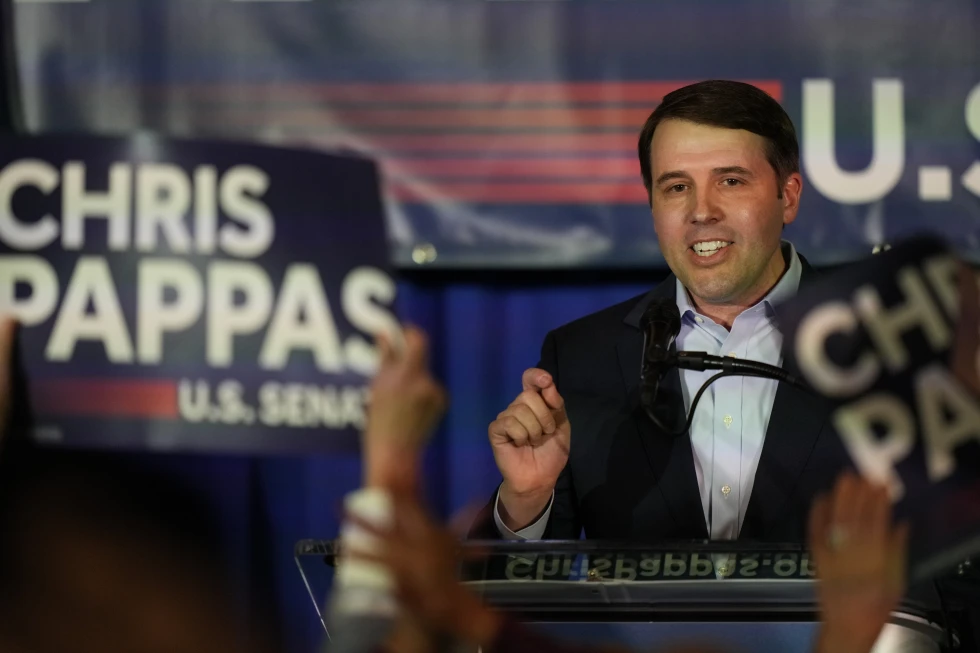

KEENE, N.H. (MyKeeneNow) Congressman Chris Pappas used an appearance on WKBK’s Good Morning with Dan Mitchell to discuss foreign policy, healthcare, affordability and the economy as he continues his campaign for the U.S. Senate.
During the interview, Pappas, a Democratic congressman representing New Hampshire’s 1st District and a candidate for the Senate seat being vacated by Jeanne Shaheen, outlined his concerns about the recent agreement between the United States and Iran, rising costs facing New Hampshire families and the economic effects of ongoing trade disputes.
Mitchell noted it was Pappas’ first appearance on the program since officially filing his candidacy for the Senate.
A significant portion of the discussion focused on the 14-point agreement between the United States and Iran. Pappas said Congress should play a larger role in decisions involving military action and foreign policy, arguing that lawmakers have a responsibility to provide oversight and ensure American interests are protected. He pointed to a recently approved war powers resolution in the House as an example of congressional involvement in matters of conflict.
Pappas also raised concerns about the economic consequences of instability in the Middle East, saying wars and international conflicts can drive up fuel prices and contribute to inflation. He cited gasoline prices exceeding $4 per gallon and diesel prices topping $5 per gallon in some areas as examples of how global events can affect household budgets and businesses.
The conversation then shifted to affordability issues that Pappas said he frequently hears about during town hall meetings and community events across New Hampshire. He identified housing, healthcare, childcare, energy and food costs as some of the biggest challenges facing residents.
Pappas argued that Washington should focus more attention on policies aimed at strengthening the middle class and reducing everyday expenses. He said expanding access to affordable housing, lowering healthcare costs and increasing childcare options would help families struggling with rising costs.
Healthcare was another major topic. Pappas criticized recent Medicaid reductions and warned that cuts could have broader effects throughout New Hampshire’s healthcare system. He said hospitals, nursing homes and patients could all feel the impact, while private insurance premiums could rise as providers absorb additional costs.
He also highlighted the pending expiration of enhanced Affordable Care Act premium tax credits, saying many residents could face higher insurance costs if Congress does not act. Among the solutions he discussed were expanding telehealth services and strengthening community health centers.
On Social Security, Pappas described the program as an earned benefit that millions of Americans rely upon in retirement. He called for bipartisan efforts to address long-term funding challenges while opposing proposals he said could lead to privatization of the system.
The interview also touched on trade policy and New Hampshire’s relationship with Canada. Pappas said ongoing trade disputes and tariffs have created uncertainty for businesses, particularly in industries tied to tourism and cross-border commerce. He argued that maintaining strong relationships with allies such as Canada is important for the state’s economy.
Energy policy rounded out much of the discussion. Pappas advocated for what he described as a diversified energy strategy that includes both traditional energy sources and clean energy investments. He pointed to incentives created through the Inflation Reduction Act and said expanding renewable energy production could help lower costs while reducing dependence on foreign oil.
As the interview concluded, Pappas said affordability remains the central issue facing many New Hampshire residents. He pledged to continue focusing on policies aimed at lowering costs and improving economic opportunities while arguing that Washington needs stronger checks and balances.
Listen to the full interview: